

Insights from MUN Directors
By Mika Chiang & Jennifer Sun
Photography by Mika Chiang
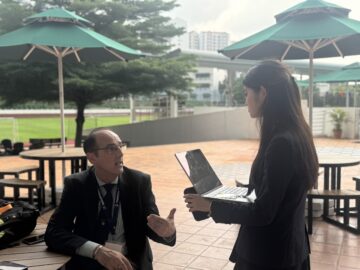
During THIMUN Singapore 2026, several teachers shared their insight on student development and participation in Model United Nations. Jodie Louise Fisher from Singapore International School Mumbai, Scott Erik Munroe from Canadian International School Bangalore, Pushpendra Bansal from Singapore International School Mumbai, Stephen Bhogal from Marlborough College Malaysia, and Emma Spior from Marlborough College Malaysia discussed their experience at this year’s conference and the importance of building students’ confidence. Together with insights from other MUN educators, their perspectives highlight how preparation, collaboration, and active participation help students grow through MUN.
When asked about their experience at THIMUN Singapore, the teachers expressed positive feedback about the conference and its impact on students. Jodie Louise Fisher praised the organization and described the opening ceremony speeches as thought-provoking, insightful, and inspirational. Emma Spior noted that students were developing their confidence, saying, “Even since this morning, they’ve built the confidence to be more active.” These observations demonstrate how THIMUN provides students with opportunities to exchange ideas, engage in discussions, and develop their confidence.
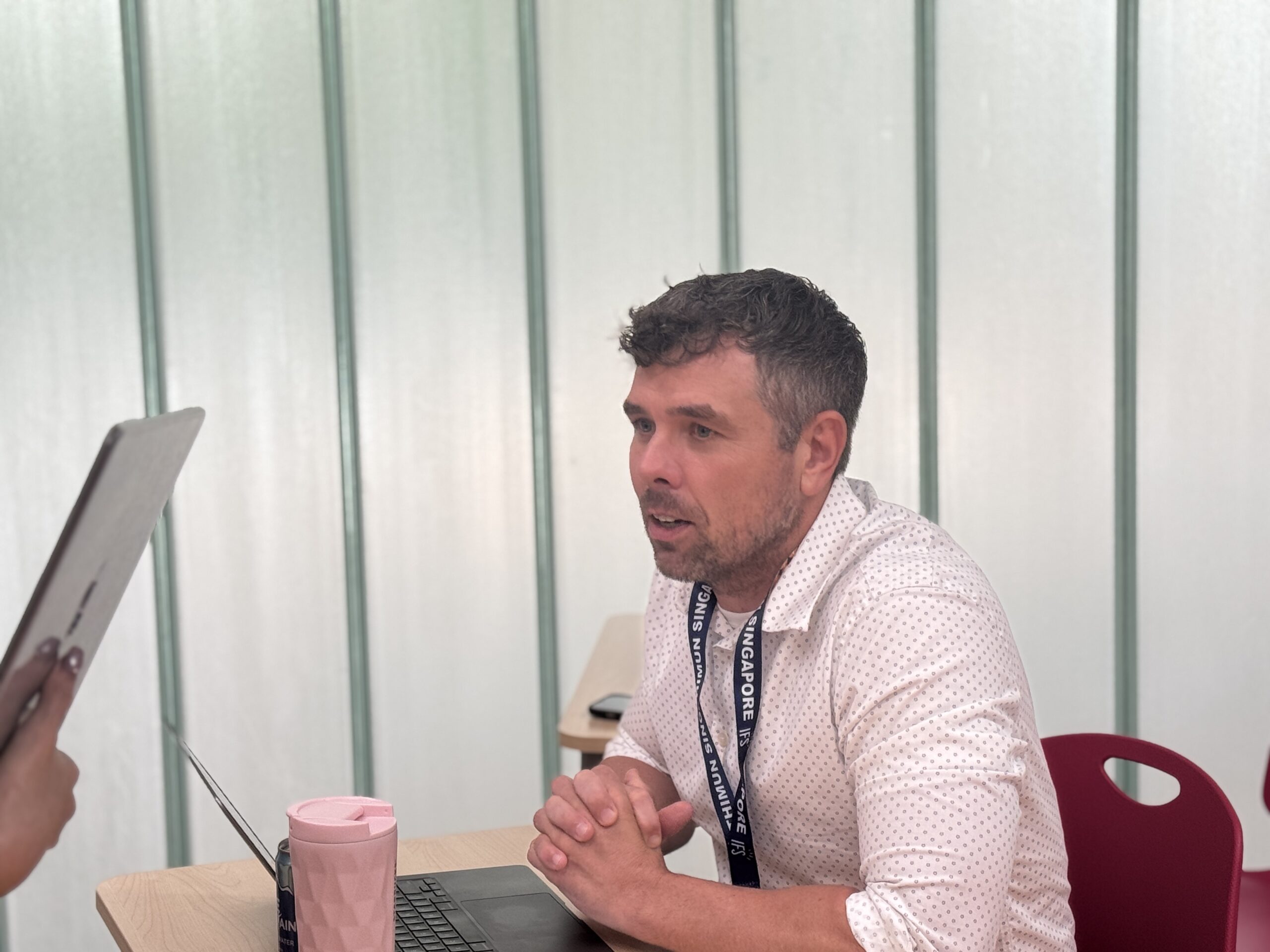
“Life’s a journey and if you’re a passenger in that journey, it’s not as much fun. So I echoed my colleague. Get on board, take control of the steering wheel. If you accidentally scratch the car as you’re going or have a crash, it’s not fatal and your driving will improve.” – Staphen Bhogal, MUN Director
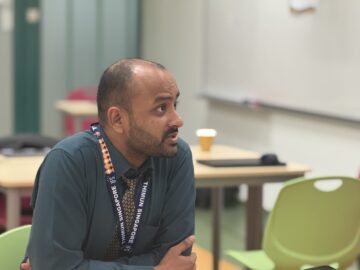
For first-time delegates, the teachers emphasized the importance of speaking up and being willing to make mistakes. As Scott Erik Munroe advised, “you just got to get on there and speak and you’ll get more experienced and more comfortable with that as time goes on.” Stephen Bhogal compared participation to taking control of a journey, encouraging students to take initiative rather than remain passive observers. Their advice highlights that students do not need to be perfect from the beginning; instead, they should be willing to participate, learn, and improve.
These interviews provide valuable insights into how teachers help students make the most of their THIMUN experience. Through structured preparation, collaboration, and active participation, students can develop confidence, communication skills, and leadership. With the support of their teachers, fellow delegates, and Chairs, they can learn to express their ideas, overcome challenges, and become more active participants in global discussions.