
The Unspoken Rules of MUN: What Every Delegate Should Know
MUN delegates are expected to follow formal procedures, from raising placards to addressing the chair. Yet beyond these established rules are unwritten expectations that can be just as important in shaping a delegate’s conference experience. At THIMUN Singapore, understanding these expectations can help delegates navigate committee sessions, lobbying, and the challenges of diplomatic negotiation.
By Isabella Zhu and Ayres Lin
Photography by Isabella Zhu
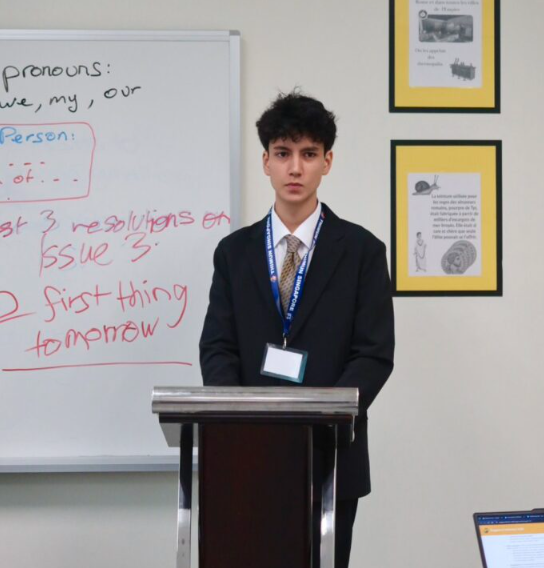
One of the first lessons is that a speech doesn’t need to be perfect to be meaningful. While preparation is important, waiting for the perfect moment to contribute can mean missing opportunities to participate. A clear, well-reasoned argument often matters more than flawless delivery.
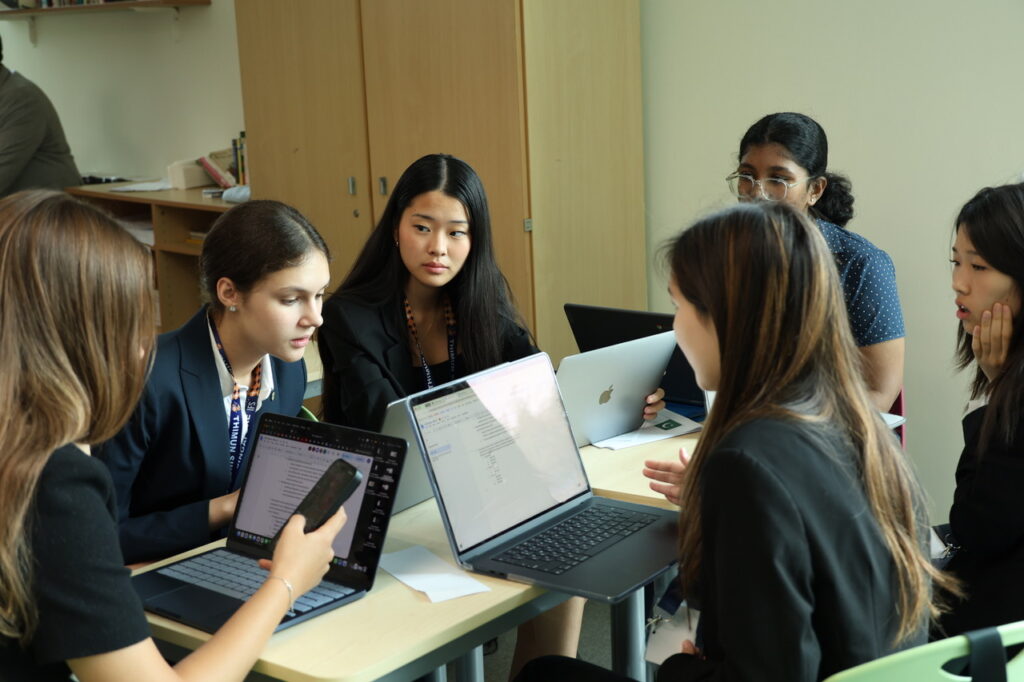
During lobbying, effective diplomacy requires more than defending your own proposals. Listening to opposing perspectives, identifying common interests, and remaining open to compromise are essential to developing resolutions that reflect the contributions of multiple delegations. Disagreement should be approached as an opportunity to strengthen ideas rather than as a personal challenge.
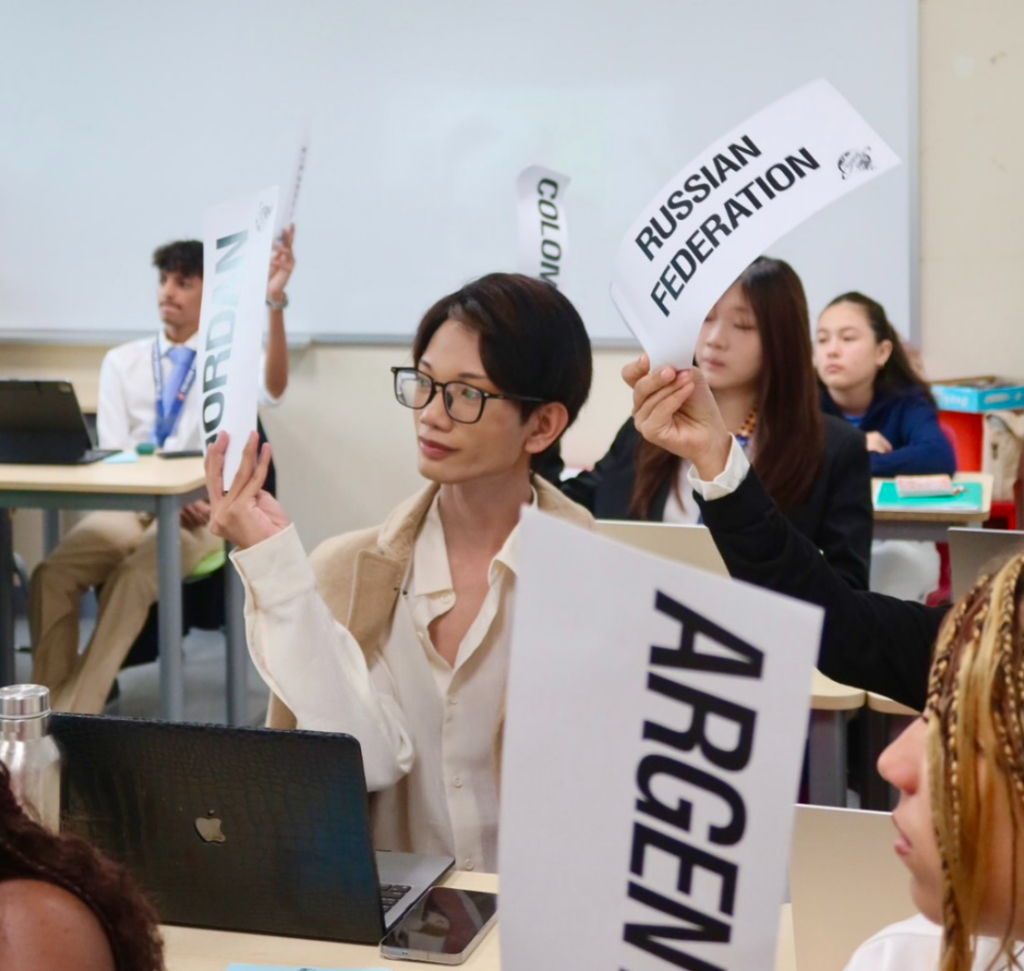
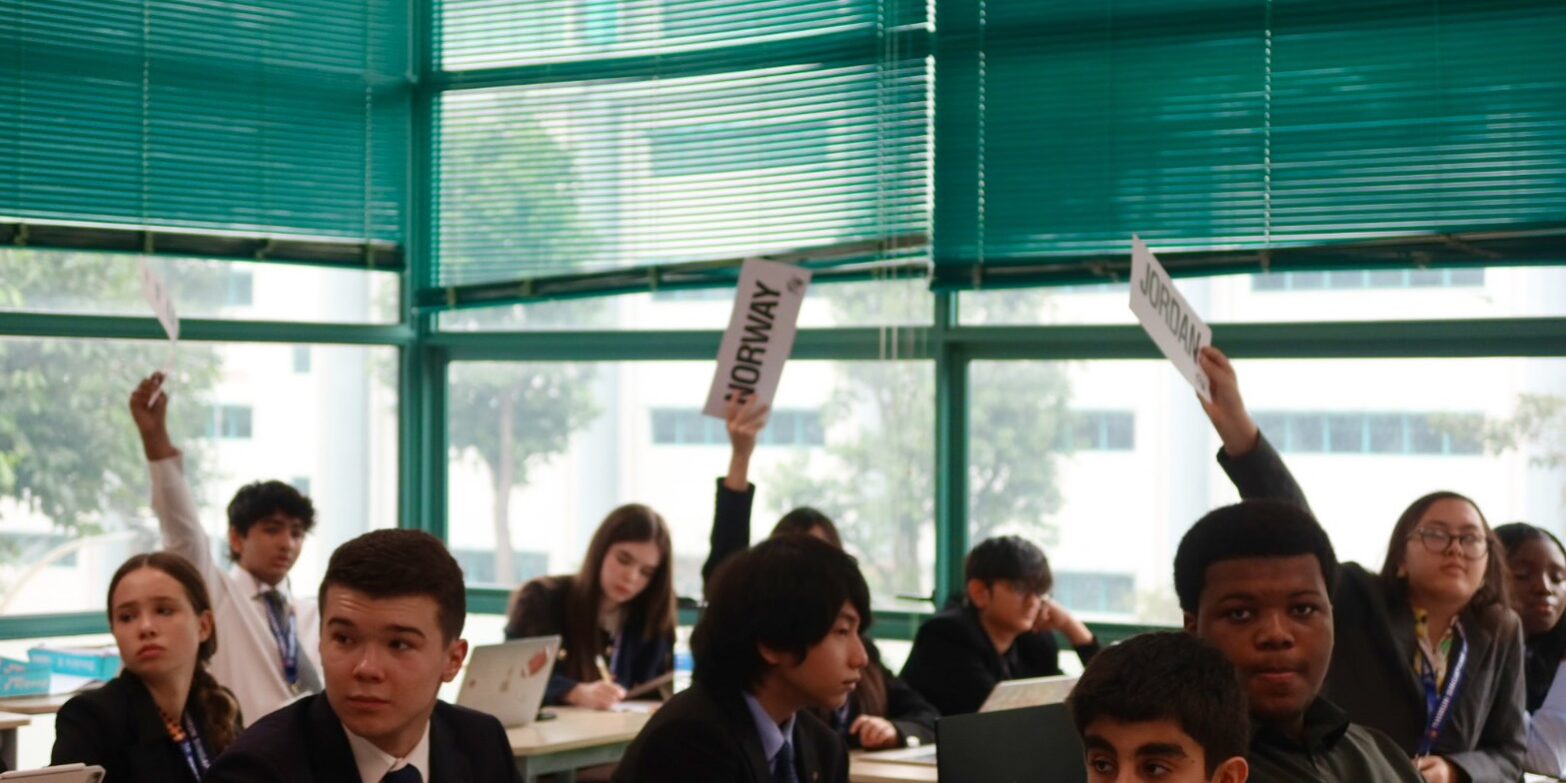
Another important consideration is the quality of participation. Raising your placard frequently does not necessarily make you an effective delegate. A well-timed Point of Information or a thoughtful amendment can contribute more to a discussion than several repetitive interventions.
Equally important is maintaining professionalism beyond formal debate. Delegates may disagree strongly over policies or proposed solutions, but these differences should not prevent respectful conversations and cooperation outside committee sessions.
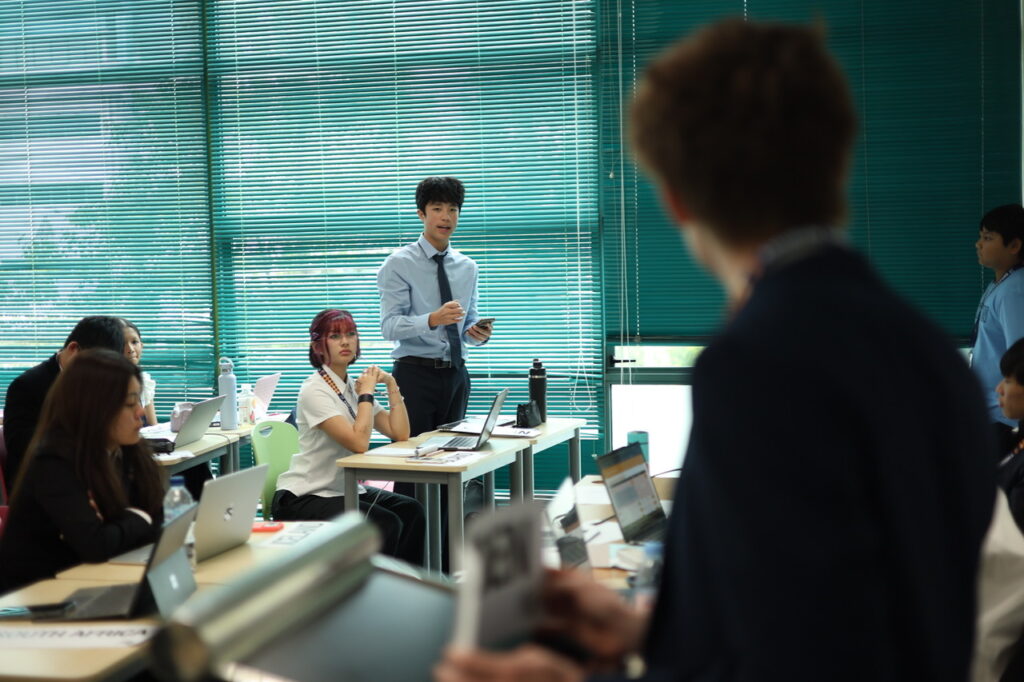
Ultimately, the most valuable lessons at THIMUN extend beyond procedural knowledge. Effective diplomacy depends not only on the ability to communicate ideas, but also on the willingness to listen, reconsider positions, and work constructively with others.